
Outdoor Skills let you Enjoy the Outdoors Safely and Embrace Nature.
Outdoor skills are imperative for you to enjoy the outdoors and navigate nature safely and efficiently. Pick your passion, is it hunting, camping, canoeing, fishing or just hiking in your back yard? Learning and using many different outdoor skills helps you enjoy these adventures by reducing risk and increasing your awareness. The list of skills that may assist you can be pretty much endless but knowing a key few ones such as first aid, navigation, food acquisition and shelter building will greatly help you engage in nature and appreciate all it offers along with being safe and self dependant.
Why Should I Learn Some Outdoor Skills
Imagine heading into the outdoors for whatever activity you choose without having any preparation! If something happens it will be magnified by your lack of preparedness. Going into the outdoors basically blind can have dire consequences such as being attacked by animals, getting lost or even badly injured. While mastering an outdoor skill takes a lot of time and practice, having a basic knowledge to face situations will be of great help. You will be able to adapt and overcome problematic situations which will able you to not only increase your survival rate but allow you to appreciate nature with confidence. Simple outings will become more enjoyable and even anticipated with excitement for what lies ahead.
Top 10 Outdoor Skills to Learn
1. Knife Skills and Knot Tying
I generally never leave the house without a knife. If used properly it can clothe, feed and shelter you. The first thing you need is good quality knife. Stay away from cheaply made knives. The price may be appealing but if the steel is of poor quality more than likely it will not hold an edge and eventually let you down. You get what you pay for. Now that you have a knife, make sure it is sharp. A dull knife does you no good when you need it. I lump knot tying into the category as the two generally go hand in hand. There a few critical knots that everyone should know. Here are a few that will work well for the outdoors. The bowline, square/reef knot, slipknot and last but not least a fisherman knot for tying on fishing lures.
2. Fire Making
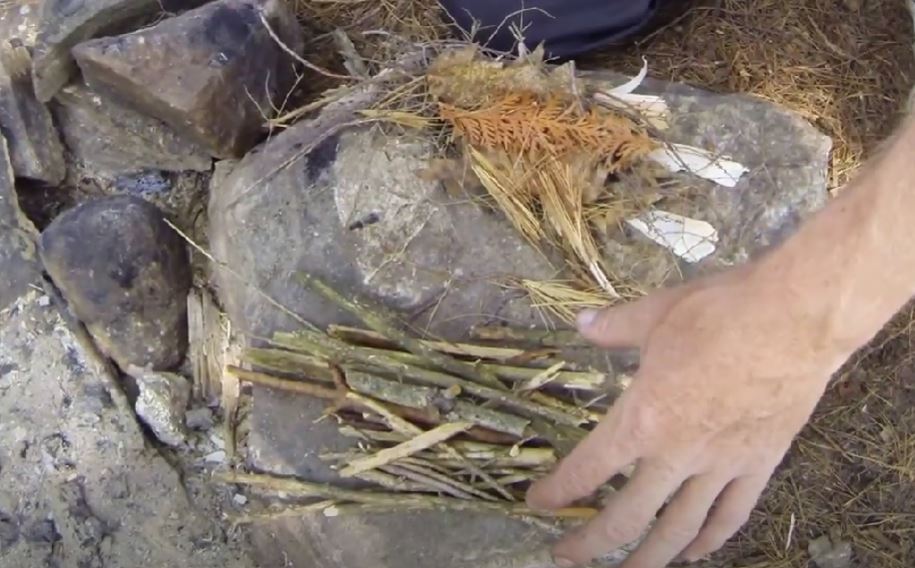
Being able to make a fire is super necessity when spending time outdoors. It provides warmth, allows you to cook food, purifies water, and in the event of an emergency it can adapted for signalling for long distances. Most people probably have the basic skill of making a fire with matches or lighters using natural material lying around but trying other methods like magnifying glass, ferro rods or friction is useful when unpanned survival measures are needed. Knowing how to be safe around a fire, managing the fires proximity and putting it out completely when you're finished is equally important as knowing how to start one.
3. Simple Shelter Building
Being able to build any kind of shelter from whatever materials are available is a critical skill for ones survival. You need a pretty well-constructed shelter to protect you from the elements, such as rain, wind, and hot or cold temperatures. Knowing how to source and use materials from the environment you are in to build a make shift shelter is important, especially in survival situations. If you have ever gone camping, be it by car or in the backwoods then understanding how to choose a safe campsite and set up your shelter in the correct spot greatly increases your comfort, safety and survival.
4. Food Preparation and Cooking
Cooking over an open fire is a very important aspect if you are spending extended time in the outdoors. It can be done purely for enjoyment or done to survive but the skills needed ring true for both. You may have to prepare food with limited resources and tools and cook it over an open fire or a portable stove. Learning how to cook basic meals with little resources or whatever you have on hand for the day such as simple snacks is important and may just make the difference in a survival situation of needing medical help or not. Everything you have learned in the kitchen applies to the wilderness regarding food safety. Extra attention is needed to avoid contamination and special attention to food storage is important to not attractant animals.
5. Water Procurement
Finding clean drinkable water is a survival skill that everyone in the outdoors should know. You can survive for roughly 21 days without food but only 3 days without water. In nature, water sources may not always be clean to drink, so knowing how to identify safe water sources and purify them is essential. How to purify this water is equally if not more important than finding water as most times the water you find may be contaminated. To purify water there are a couple easy methods such as boiling water for 10 minutes and allowing it to cool, using purification tablets(which taste gross but work), or using a portable water filter. Learning how to find water sources in the wilderness and purify the water can not only keep you alive by preventing dehydration but will reduce sickness from potential waterborne parasites.
Simple water filter, Lifestraw: https://amzn.to/3E8EiGI
5. Basic First Aid
Try as you might to prevent accidents, they can happen and at some point they will while in the outdoors. Knowing basic first aid, such as how to treat cuts, bruises, burns, sprains, and bites, can make a huge difference in an emergency. There are lots of courses you can take on basic first aid. If you plan on going much further into the unknown then I would suggest a wilderness remote first aid at the very least. This will teach you how to treat more serious injuries and how to stabilize and transport an injured person until help arrives. My daypack or outdoor gear always contains a basic first aid kit. Familiarize yourself with the items contained in it and know what they are used for. You just never know!
Grab you first aid guide Here: https://amzn.to/4jlodxB
6. Be Wildlife Conscious
If you plan on spending time in the outdoors then understanding the wildlife around you is crucial for safety and theirs. You are in effect entering an outdoor environments that is the home of wild animals. Wild animals may pose a threat if provoked or if hungry and your food is not stored properly like mentioned earlier. Knowing how to safely store food and avoid attracting animals is the first step. Knowing what animals inhabit the area you are traveling in is the other. Understanding how to deal with the wildlife present is an important aspect of outdoor safety. Always maintain a safe distance from animals. I know you may want to get that super close picture but I would warn against it. Respect wildlife and their habitat.
8. Leave No Trace
The basic principal behind Leave no trace is to "pack out what you pack in". Leaving no sign that you were even there. The Leave No Trace principle encourage outdoor enthusiasts to minimize their impact on the environment, ensuring that nature remains pristine for future generations. This principle includes carrying out all trash, avoiding damage to flora and fauna and minimizing campsite and fire impacts. Practicing Leave No Trace helps preserve the environment and ensures that the natural beauty of outdoor spaces are maintained for everyone to enjoy.
9. The Right Gear
Having the right gear can make the difference between an enjoyable and a unpleasant outing in the wilderness. Planning ahead of time for your trip gives you the ability to select, maintain, and pack the proper outdoor gear for comfort and safety. This goes for any type of outdoor pastime, whether it’s choosing the right gun, fishing gear, hiking boots, clothing, tent setup and backpack supplies, the proper gear management can enhance your experience. Proper maintenance of your equipment, such as checking for wear and tear, broken items, missing pieces will ensure it functions properly when you need it the most. Put together a list and go through it before you leave home.
10. Navigation
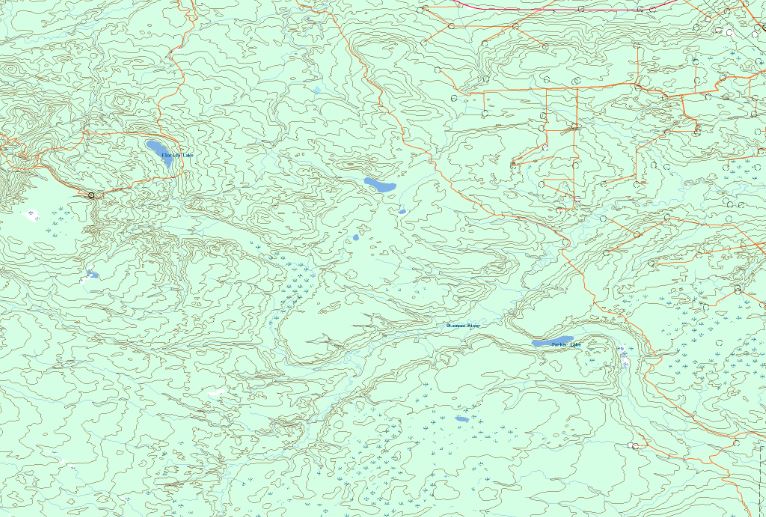
Understanding how to read a map and use a compass is a fundamental outdoor skill. You can acquire maps easily for your destination online. A lot of people rely on GPS technology. It is incredibly helpful when it works but I would not have it as my only source of wayfinding. What would you do if the device loses battery or signal. Knowing how to navigate using a topographical map and compass ensures you can find your way home or to safety if all else fails. Topographic maps can be helpful in planning your trip or a safe route out as they provide detailed information about terrain, such as elevation changes and land features. They are a great tool and take up little space in your pack.
In Conclusion
If you are the kind of person that spends a lot of time in the outdoors or is planning your first trip then brush up your outdoor skills. They are essential for getting the most out of your adventures in nature. They not only help you stay safe but also increase your efficiency and enjoyment of your time in the field. Take the time and go over the 10 items listed above, from basic skills like fire making to more advanced classes in wilderness remote first aid, these skills will will assist you in all your outdoor travels. Whether you're a seasoned outdoorsperson or just starting, investing time in learning and practicing these skills will take you from a potentially hazardous trip to one that is enjoyable and filled with great memories.