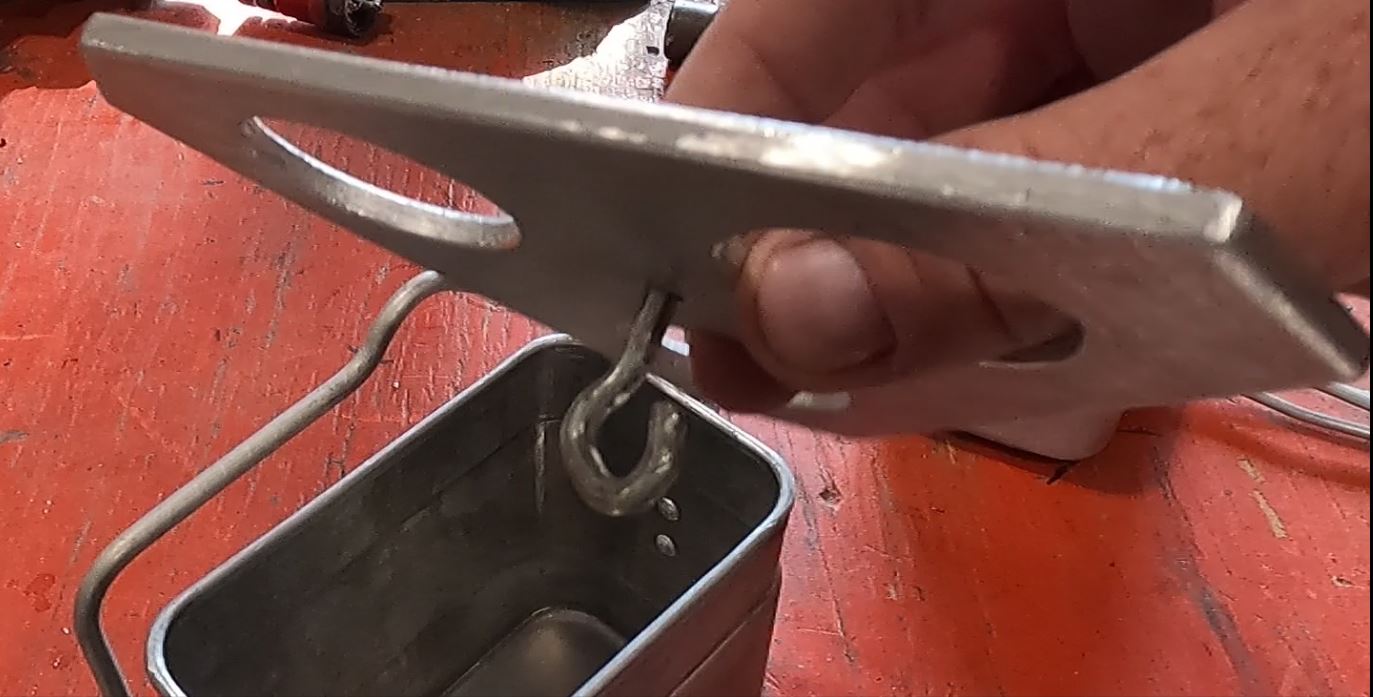
How to Make a Campfire Tripod Plate from Aluminum
If you enjoy cooking over an open flame while camping, you’ve probably seen (or used) a campfire tripod. This simple setup allows you to suspend pots, pans, or kettles above your fire for even cooking without the need for a bulky grill. One of the most useful and versatile parts of a tripod is the tripod plate — a small piece of metal that holds three poles together at the top, forming a stable stand.
Instead of buying one, you can make your own from a piece of aluminum plate. Aluminum is lightweight, corrosion-resistant, and easy to work with using basic tools — perfect for DIY camp gear.
If buying is your option. Get one here - https://amzn.to/45LUEQV
Why Aluminum?
Before diving into the steps, let’s talk about why aluminum is a great choice for this project:
- Lightweight: Easy to carry on hiking or canoe trips.
- Rust-resistant: No worries about leaving it outside in damp conditions.
- Easy to cut and drill: Common hand tools can shape it without much effort.
- Heat tolerance: While aluminum conducts heat, the tripod plate sits above the flames, so direct heat isn’t a problem for normal campfire cooking.
Get your aluminum plate here - https://amzn.to/412fOI3
Materials and Tools
Materials:
- Aluminum plate (1/8-3/16" inch thick is strong yet light)
- Sandpaper and a file
- Three sturdy poles (hardwood branches or metal rods)
- Optional: chain to allow pot to hang a different heights
Tools:
- Drill and metal drill bits and 1- 1/8" whole saw
- Hacksaw, jigsaw with a metal blade, or angle grinder with metal cut blade
- Ruler and marker
- Protractor to measure angles
- Ball peen hammer
- Safety gear: gloves, eye protection
Step-by-Step Instructions
1. Decide on the Size and Shape
A standard tripod plate is a circular or triangular piece of metal about 5–6 inches across. It needs three holes to hold the legs and possibly a smaller central hole for a chain or hook to hang your cooking pot.
If you want a neat, symmetrical design, a circle is easiest to work with. A triangular plate is slightly lighter but requires more careful alignment.
Need a protractor? Click here to get one - https://amzn.to/3UXcytT
2. Mark Your Plate
Using a ruler and marker, draw your design onto paper then trace your shape onto the aluminum plate. If you’re making a circle, a small bowl or compass works well as a template. A triangle requires a protractor mentioned below.
Mark the positions of the three leg holes evenly spaced around the edge. A good rule is to space them at 120° intervals for stability. This makes a perfectly even and balanced triangle for the plate to support the legs.
- Leg holes: 1" to 1-1/8 inch in diameter (depending on your tripod poles)
- Center hole: 1/8 inch (optional, for chain or hook)
3. Cut the Shape
Using your chosen cutting tool (hacksaw, jigsaw, or grinder), cut the aluminum plate to your marked outline. Take your time — smooth edges now mean less filing later nut is always preferred.
If you’re using a jigsaw, clamp the plate securely and go slow to avoid warping the metal. I have done this many times but prefer the grinder method. It is much easier and faster.
4. Drill the Holes
Clamp the plate to a solid surface and start drilling your leg holes with a metal hole saw. This creates the pilot hole and final size all in one shot. This reduces the amount of work as it is one and done.
For a cleaner finish, use a step bit for the larger leg holes is an option.
5. Smooth and Deburr
After drilling and cutting, the edges will be sharp. Use a metal file or coarse sandpaper to smooth all sides, including the inside of the holes. Not only will this prevent injury, but it will also stop the tripod poles from getting scratched or damaged.
6. Optional Finish
Aluminum doesn’t rust, but you can add a protective or decorative finish. High-temperature paint, powder coating, or anodizing can make your tripod plate look great and last longer. I find a quick sand with fine sandpaper gives it a high shine and it lasts for a long time.
7. Assemble Your Tripod
To use your tripod plate:
- Cut 3 equal length saplings the rough diameter of your plate holes. Length depends on your wanted height from the fire.
- Insert the tops of the three poles into the holes.
- Spread the legs out evenly to create a stable stand.
- Attach to the chain or hook through the center your pot or kettle.
When you’re done cooking, simply remove the poles, and the plate packs flat into your gear.
Pro Tips for Campfire Tripod Use
- Keep the legs at a wide angle to prevent tipping.
- Adjust the cooking height by shortening or lengthening the chain or the legs.
- Avoid putting the plate directly over intense flames — while aluminum won’t melt under normal campfire heat, prolonged direct contact with very high heat can cause warping.
- Use green wood if foraging as they will resist the heat longer— dry wood can snap under heavy loads and possibly catch fire.
In Conclusion
Making your own campfire tripod plate from aluminum plate is a simple and satisfying project that combines practicality with portability. It’s a small, flat piece of gear that can transform your cooking setup, making it more versatile and enjoyable. Plus, you’ll have the satisfaction of knowing you built it yourself — and in the world of camping, that’s worth bragging about around the fire.
With just a few tools and a little time, you’ll have a lightweight, durable tripod plate ready for your next outdoor adventure. So grab some aluminum, fire up the drill, and get ready to cook like a backcountry pro.