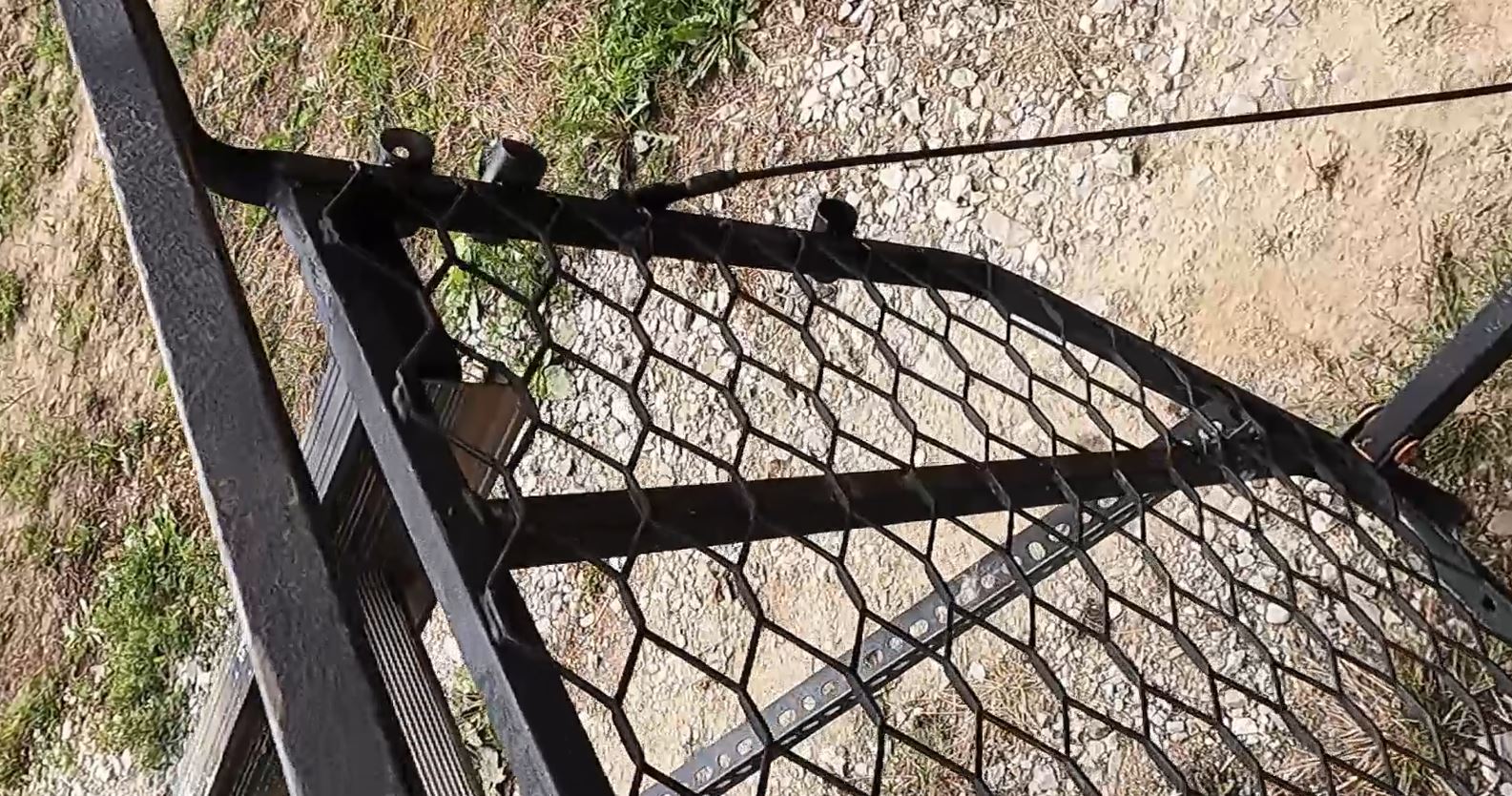
Adding Small Pipes to Your Deer Stand for Better Concealment
For hunters, concealment is one of the most important aspects of success in the field. Deer have sharp eyesight, a keen sense of smell, and an instinctive ability to spot anything out of place in their environment. While camouflage clothing and scent control are valuable tools, the way your deer stand blends into its surroundings can make or break a hunt. One simple, affordable, and effective way to improve concealment is by adding small pipes to your deer stand so you can slide in brush or branches.
This method has been used by seasoned hunters for years, and it provides flexibility, natural cover, and a big advantage in fooling wary whitetails. Let’s break down why this works, how to do it, and the benefits you’ll notice the next time you’re in the woods.
Why Use Small Pipes for Brush?
At first glance, attaching brush directly to your stand might seem like the easiest solution. You could easily zip-tie or wire branches around your setup. While this works short term, it’s not always practical. Brush dries out, becomes brittle, and eventually falls off. Plus, replacing it constantly can be a chore.
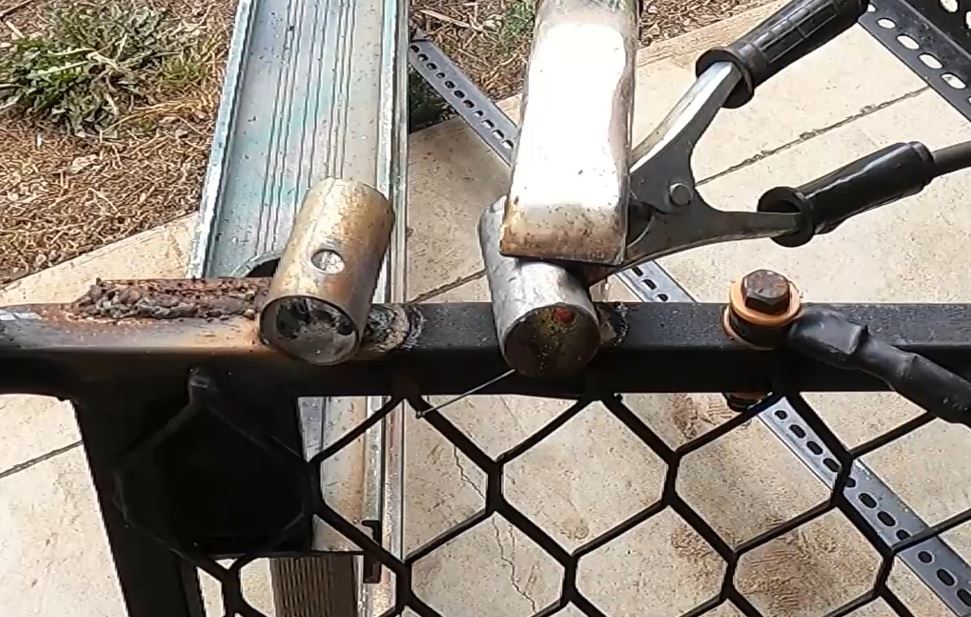
Small pipes, however, act as permanent “brush holders.” Think of them as little sleeves attached around your stand, into which you can quickly slide in natural vegetation. When brush gets old or changes with the seasons, you simply pull it out and insert fresh cuttings. The result is a deer stand that always matches and blends seamlessly with its surroundings.
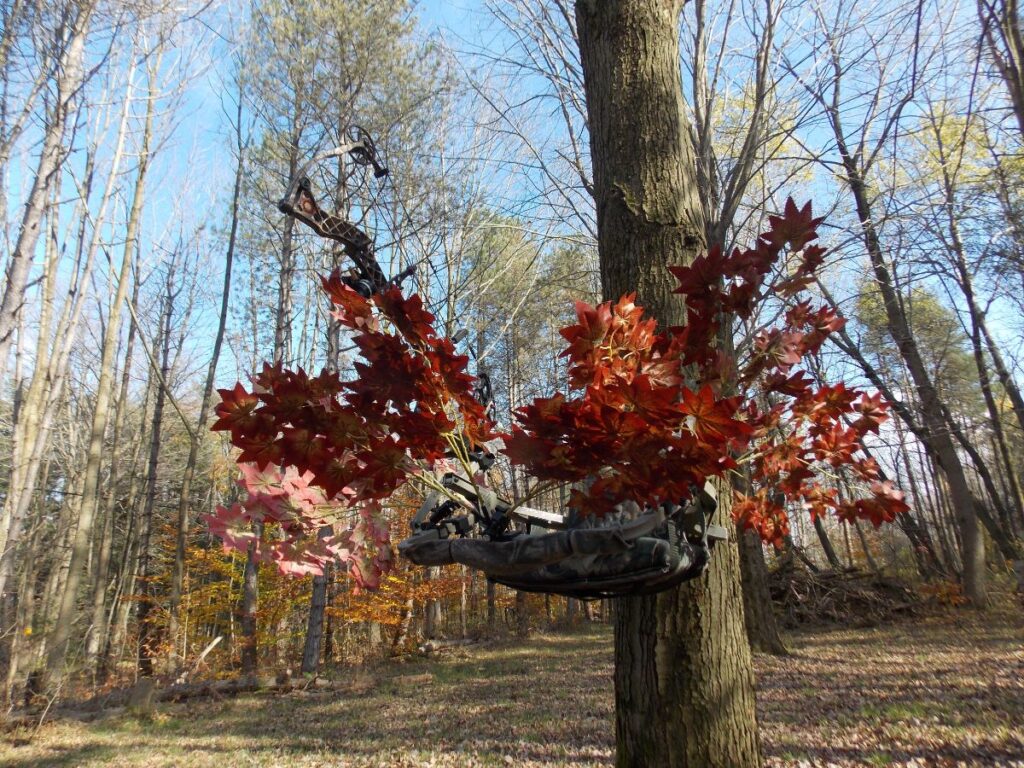
This method also makes your blind adaptable. If you hunt in early fall, the woods are full of green leaves, so you can insert live leafy branches. Later in the season, when the landscape turns brown and bare, you can swap them out for sticks, pine boughs, or grasses.
Materials You’ll Need
One of the best parts about this project is how inexpensive and simple it is. You don’t need fancy tools or heavy equipment. A few supplies will get the job done:
- Small PVC or metal pipes (½ inch to 1 inch diameter works well) I chose metal for my stand mod.
- Hacksaw or pipe cutter (to cut pipes to size)
- Drill and screws or bolts (for attachment)
- Zip ties, clamps, or welding (optional depending on stand type)
- Brush or branches from the surrounding area
PVC pipes are light, easy to cut, won’t rust and are easily attached by zip ties. Metal pipes are stronger and more durable, but require the ability to weld is preferred. Either option works fine—it comes down to preference, skills and what materials you already have on hand.
Step-by-Step Installation
- Choose Placement
Walk around your stand and decide where additional cover would help most. Focus on areas where your outline is exposed—usually along the sides, around the ladder, or beneath the shooting platform. - Cut Pipe Sections
Cut pipes into lengths of 2-4 inches. You want them long enough to hold brush securely but not so long that they stick out awkwardly. I mounted them flush to platform so when not in use it doesn't impede your foot placement. - Attach to the Stand
Use screws, bolts, welding or heavy-duty zip ties to secure the pipes vertically to the frame of your stand. Angle them slightly outward if possible, which helps brush fan naturally and cover more space. - Insert Brush
Gather branches, saplings, or grasses from the immediate area. Inserting local vegetation ensures the stand matches its surroundings. Place the cuttings into the pipes until you achieve the desired level of coverage. A lot of this vegetation comes from when your prune your shooting lanes each year. - Adjust as Needed
As you hunt throughout the season, check your brush. Replace it when it dries out, turns brittle, or no longer matches the environment.
Benefits in the Field
- Better Camouflage: The ability to add real, local vegetation makes your stand look like part of the woods.
- Flexibility: You can change brush easily to match the season or terrain.
- Durability: Pipes stay in place permanently, so you only swap out vegetation.
- Affordability: The cost of a few pipes and screws is minimal compared to commercial camo systems.
- Silence: Brushing in your stand with natural cover helps deaden sound, especially if wind or movement causes you to shift in place.
Extra Tips for Success
- Use a mix of branch sizes and textures for the most natural look.
- Avoid overloading your stand with brush—leave open shooting lanes.
- Don’t bring in brush from far away; deer notice vegetation that doesn’t match the area.
- Check your stand after storms or high winds—branches may need replacement.
- Combine with scent control and good wind strategy for maximum effectiveness.
In Conclusion
Hunting success often comes down to small details, and concealment is one of the biggest. By adding small pipes to your deer stand for brush, you give yourself a customizable, reliable, and cost-effective way to stay hidden. The pipes act as long-lasting holders, letting you swap out vegetation as the seasons change without constantly re-rigging your setup.
This is a simple weekend project that pays dividends all season long. Whether you hunt pressured public land or manage a quiet private property, taking the time to blend your stand into the landscape can be the edge you need when that wary buck steps into view.