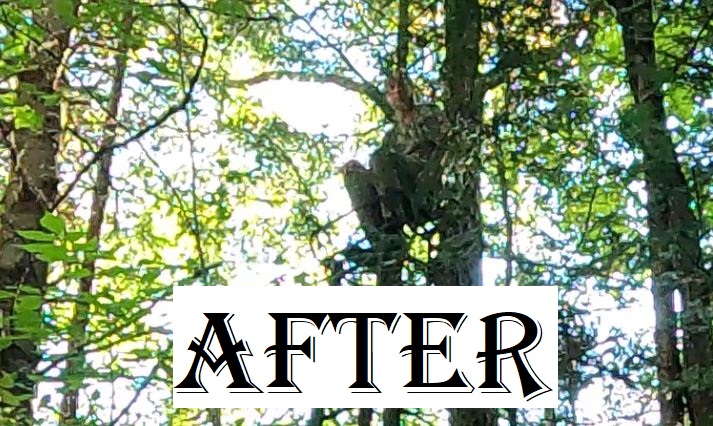
Adding Brush to Your to Aid in Success
When it comes to deer hunting, concealment is everything. Whitetails live by their noses and eyes, and they don’t miss much in their environment. Even the most well-placed deer stand can stand out like a sore thumb if it’s not blended in with the surrounding habitat. That’s where brushing in your stand comes into play. By adding natural vegetation and cover to your setup, you can break up sharp edges, disguise movement, and increase your chances of going undetected.
Why Brush in Your Deer Stand?
Even if you’ve tucked your stand into the edge of a treeline or hedgerow, deer are incredibly skilled at picking out shapes that don’t belong. A box blind or ladder stand that looks like a man-made structure will draw attention, especially in pressured hunting areas. Brushing it in helps:
- Break up outlines: Straight lines, right angles and boxy shapes don't exist in nature and signal danger to deer. Adding brush makes the stand blend with the natural cover.
- Mask movement: The biggest giveaway for hunters is movement. Layers of brush in front and around the stand soften the effect when you shift your bow or raise your rifle.
- Build long-term trust: A brushed-in blind looks like part of the woods. Deer get used to it faster and will be more relaxed around it.
- Add scent control benefits: Fresh brush and greenery hold natural odors that can help mask human scent.
Choosing the Right Materials
The goal is to make your stand look like a natural extension of the landscape. That means using local vegetation instead of store-bought camouflage netting whenever possible. Here are some solid choices:
- Evergreens (cedar, pine, spruce): These hold their needles and color late into the season, providing year-round cover.
- Saplings and limbs: Cutting small trees or branches from nearby keeps your setup natural and matches the habitat.
- Tall grasses and reeds: Great for ground blinds in fields or marshy edges.
- Corn stalks or crop residue: If you’re hunting near agricultural fields, these blend perfectly.
When cutting brush, try to harvest from areas you won’t hunt. Avoid creating unnatural clearings near your stand site that might alert deer to recent human activity. Most times when you trim shooting lanes you can use this for your brush.
How to Brush in Your Stand
Brushing in doesn’t mean piling branches randomly against your blind. Done right, it’s about strategy and layering.
- Start with the backdrop. Place larger limbs and saplings behind the stand to break up its outline against the horizon. Deer often skyline hunters who forget this step.
- Layer around the sides. Add branches to the sides of the stand, focusing on breaking up sharp edges. Think about how the stand looks from different angles a deer might approach.
- Add a front screen (without blocking your view). A light layer of brush in front of your shooting lanes helps conceal movement but shouldn’t interfere with your shot.
- Blend the base. Pile grasses, cut stalks, or low brush around the base of a ladder stand or blind. This prevents it from looking like a box stuck on stilts.
- Maintain shooting lanes. One of the biggest mistakes hunters make is brushing too heavily and leaving no clear shot. Trim small openings at deer-height in the directions you expect activity.
In this video I show you how to add brush holders right to your deer stand. Simple and easy.
When to Brush In
Timing matters. If you set up a new blind or stand a few days before hunting, brushing it heavily with fresh cuttings can make it look out of place. Ideally, brush in your stand well ahead of the season. This gives deer time to get comfortable with the changes. I generally brush in 1 month prior to the season opener. This allows for scent to diminish and the stand to become part of the landscape.
For ground blinds, consider refreshing brush mid-season. As vegetation dries out and colors change, your blind can start to stick out. Adding fresh cuttings helps it continue to blend naturally.
Common Mistakes to Avoid
- Over-brushing: Too much cover limits visibility and shot opportunities. Strike a balance between concealment and functionality.
- Ignoring wind direction: Brushing helps with sight but won’t fix poor wind. Always prioritize stand placement based on prevailing winds.
- Using unnatural materials: Bright green fake brush or camo netting can spook wary deer. Stick with what naturally grows around your area.
- Making noise while brushing: If you’re brushing during the season, be as quiet as possible to avoid educating deer.
In Conclusion
Brushing in your deer stand takes extra time and effort, but the payoff is huge. A concealed stand doesn’t just look better—it makes deer feel more comfortable, lets you move with less risk of being spotted, and ultimately increases your odds of success. Next time you hang a new ladder stand or pop up a blind, bring some pruning shears and a few extra minutes to brush it in. It’s a small step that can make a big difference between going home empty-handed and filling the freezer.