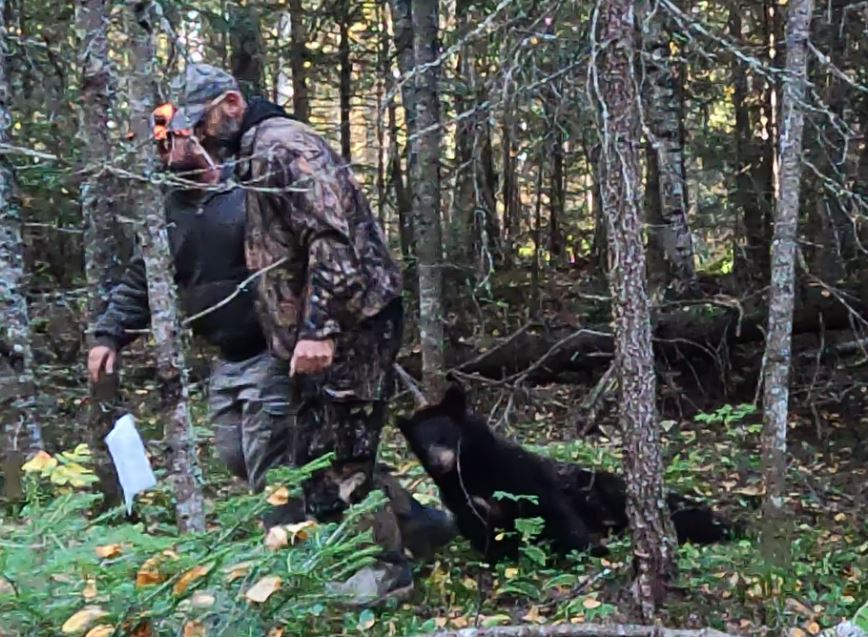
How to Recover a Bear after a Bow Hunt: A Step-by-Step Guide
Harvesting a bear with a bow is one of the most rewarding and challenging experiences in big game hunting. Doing it with a home made bow is even better. Bears are tough, intelligent, and resilient animals, and even a perfect shot doesn’t always mean an easy recovery. Because of their thick hide, heavy fat layer, and dense habitat, tracking and recovering a bear can be very difficult. Knowing what to do after the shot can make the difference between a successful recovery and a lost animal. Here’s a detailed guide on how to recover a bear after a bow hunt.
1. Watch the Shot and Mark Your Reference Points
Immediately after releasing the arrow, focus on where your shot hits. It can be tempting to celebrate too early, but staying alert in that moment is crucial. Bears often run into thick cover, and without clear visual markers, it’s easy to lose track of the direction they went.
- Mark the spot where the bear was standing when you released the arrow.
- Note landmarks like trees, rocks, or clearings that can help you reorient once you climb down from your stand or move from your blind.
- Listen carefully — the sounds of crashing brush, moaning or coughing, breaking sticks, or even silence can tell you a lot about how far the bear went.
Because bears have a tendency to run a short distance and then circle back, pay attention to the direction of their initial flight and any audible clues about their final moments.
2. Wait Before Tracking
Unlike deer, bears are notorious for going into thick cover and lying down quickly, often within 100 yards — but they can also be very dangerous if wounded. The key here is patience.
Wait at least 30 to 60 minutes before taking up the trail if you’re confident in your shot. If you think the hit might have been marginal (gut, liver, or too far back), it’s best to wait 3–4 hours or even overnight like we did before tracking. Pushing a wounded bear too soon can drive it farther away or put you in a dangerous situation.
3. Inspect the Arrow and Blood Trail
Once it’s safe to approach, find your arrow and study the sign. This will tell you a lot about the quality of your shot.
- Bright red blood with bubbles = lung hit (ideal).
- Dark red blood = liver hit (lethal, but requires patience).
- Greenish or brown fluid, foul smell = gut shot (requires long wait time).
- Little or no blood = muscle or non-lethal hit.
Bears’ fat and thick fur can plug entry and exit wounds, making blood trails faint or intermittent. Don’t get discouraged if you lose the trail early — look for turned-over leaves, broken branches, or tracks that match the bear’s gait and direction.
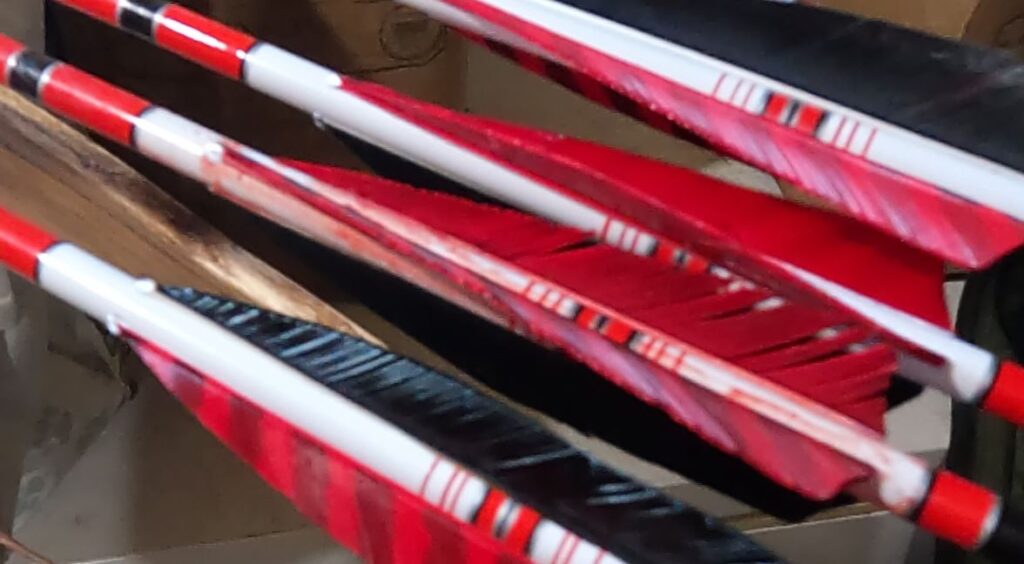
4. Use Your Eyes, Not Just Your Nose
Unlike deer, bears don’t always bleed much. A successful recovery often depends on visual tracking rather than relying solely on blood. Move slowly and scan ahead, looking for black or dark shapes that might be your bear. Use a group a people to spread out will help scan the area.
If the trail goes cold:
- Circle the last known blood or sign area in wider and wider loops.
- Mark each sign of blood or track with flagging tape or biodegradable markers like toilet paper.
- Always keep wind direction in mind — a wounded bear may be bedded nearby and could smell or hear you coming.
5. Safety First: Approach with Caution
When you do locate the bear, remember that even mortally wounded bears can be extremely dangerous. Always approach from behind and uphill if possible, giving yourself a clear escape route. If legal to do so have someone in your party carry a gun in case a quick dispatch is needed.
Before touching the animal:
- Watch for movement or shallow breathing.
- Use a long stick or arrow to gently touch the bear’s eye — no blink means it’s expired.
- Keep your bow or firearm ready in case the bear is still alive.
Safety is non-negotiable. If you’re uncertain or tracking in thick brush at night, it’s wise to wait until morning or call for help from another hunter or guide.
6. Tag, Photograph, and Cool the Meat Quickly
Once confirmed dead, tag your bear immediately according to your local regulations. Then take a few respectful photos — but don’t delay too long, as bear meat and hides can spoil quickly due to the thick layer of fat.
- Skin and quarter the bear as soon as possible to let the meat cool.
- If it’s warm, prop open the body cavity and use sticks or branches to allow air circulation.
- Keep meat and hide in the shade, or pack them out in game bags with ice.
Bear meat is rich, flavorful, and versatile when properly cared for. Treating it with the same respect as any other game animal ensures a quality harvest and honors the hunt.
In Conclusion
Recovering a bear after a bow hunt requires patience, awareness, and respect. From watching your shot to tracking carefully and staying safe, every step plays a role in ensuring a successful and ethical recovery. Bears are powerful creatures that deserve diligence and humility from hunters who pursue them. Take your time, trust your instincts, and remember — the recovery is just as much a part of the hunt as the shot itself.