
Want to draw a buck’s attention without tearing up the woods? Mock scrapes are a low-impact, highly effective way to simulate deer scent-marking and social activity — they can spark curiosity in a passing buck and keep him coming back. Here's a guide to making a mock scrape that looks natural, smells interesting to deer, and respects the animals and the law.
What’s a mock scrape?
A mock scrape mimics the natural scrapes bucks make when they scrape soil, deposit urine, and rub saplings with their forehead. The idea is to create a small patch of disturbed ground and scent profile that reads like deer communication: “someone was here.” Done thoughtfully, a mock scrape invites bucks to investigate without creating an unnatural feeding situation.
Location, location, location
Pick a place deer already use. Look for game trails between feeding and bedding areas, travel funnels like saddles between ridges, or near natural scrapes and rub lines. Choose a spot under or beside a low-hanging branch or sapling 2–4 feet tall — bucks often use branches to rub and to leave visual cues. Avoid placing scrapes where you’d be trespassing or violating local baiting regulations; always check rules for your area.
Materials — simple and natural
You don’t need fancy gear. Bring:
• A small hand trowel or stick to clear the ground.
• A pair of gloves (scent control and hygiene).
• A small bottle of deer attractant (commercial lick or scrape lures) or natural scents (doe urine, estrous scent, or even glandular lures).
• Optionally, a little brush or leaf litter to make the scrape look natural.
Grab your deer scent here: Doe - https://amzn.to/4oDjjOb Buck - https://amzn.to/3JtOmgE
How to build it (step-by-step)
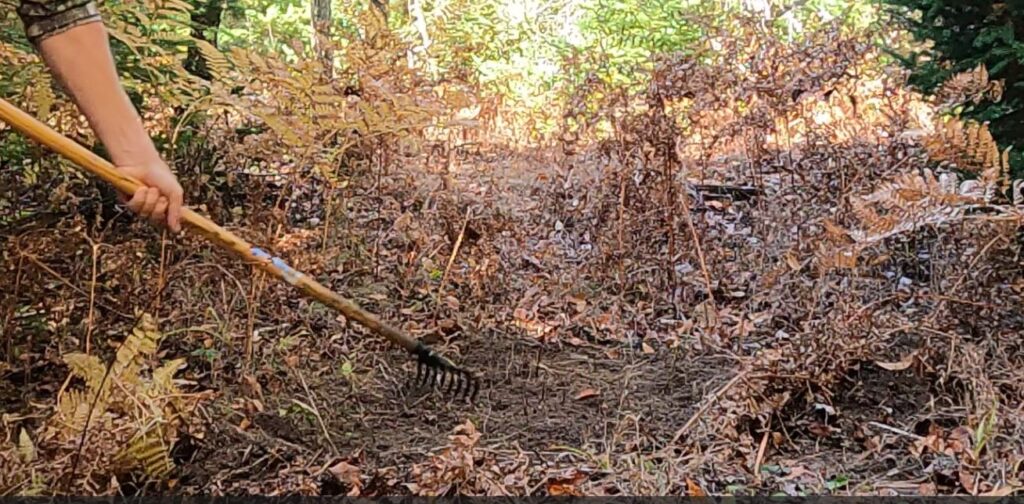
- Clear a 12–18 inch patch of leaf litter and loose debris to expose soft soil. Use your trowel or a stick; keep the disturbance subtle and tidy.
- Lightly scrape the surface with your heel or trowel to create a shallow depression — deer typically prefer a scraped spot with slightly loosened soil. Keep the scrape irregular, not perfectly round.
- Using gloves, apply a small amount of lure in the scrape. If using liquid urine or estrus scent, a capful is enough. For glandular or paste lures, a dime-sized amount blended into the soil looks natural. Avoid dousing — heavy human scent or overpowering chemicals can repel deer.
- Leave a rubbing branch: break a twig or bend a sapling so it’s at chest or head height for a buck and slightly scarred. Deer read visual cues as well as scent, so a rubbed or slightly broken branch ups authenticity. Stringing a line overhead and hanging a rope or branch is also effective.
- Conceal any human signs: scatter a little leaf litter around the edges and smooth any obvious tool marks. The scrape should look like the work of animals, not a human.
Timing & maintenance
Create mock scrapes in the weeks leading into the rut when bucks are most responsive to scent and social cues (late fall in most regions). Check the scrape every 3–7 days if you’re monitoring; fresh sign (hoof prints, tracks, fresh rubbed bark, or new disturbed soil) means it’s working. Reapply small amounts of scent if the area hasn’t received fresh rain, but don’t overdo it — less is often more.
Scent strategy & ethics
Deer rely on subtle communication. Use natural, species-appropriate scents and avoid exotic chemicals. If you use commercial lures, choose reputable products formulated for scrapes. Wear gloves and scent-eliminating practices to reduce human odor transfer. Most importantly, follow local regulations — many places regulate use of urine, bait, or attractants, especially around hunting seasons.
Observation & safety
Mock scrapes work best paired with observation, whether trail camera monitoring or patient glassing from a legal stand or blind placed at a safe distance. Cameras help you learn which bucks respond and what times of day they visit. Never place a camera or stand in a travel lane where it blocks deer movement or puts you at risk; prioritize safety and respect for the animals.
In Conclusion
A well-placed, carefully made mock scrape is a whisper, not a shout — a subtle invitation that speaks deer language. When done thoughtfully, it gives hunters and wildlife watchers a chance to observe natural behavior without dramatically altering the landscape. Respect the animals, follow the rules in your region, and let curiosity do the rest. Try one this season, watch quietly, and learn — the woods will tell you if you got the message right.